Welcome to Mumbai, a city where history and modernity intersect. Here, culture is a mix of many traditions. As you enter this vibrant city, you’re surrounded by colors, sounds, and scents that reveal its rich heritage.
Explore Mumbai’s Vibrant History, Culure and Sights
In Mumbai, you’ll find famous landmarks and hidden spots in its neighborhoods. This city offers an experience you won’t forget. By visiting its historic sites, cultural landmarks, and popular attractions, you’ll learn what makes this city so special.
Key Takeaways
Discover Mumbai’s rich history and cultural heritage
Explore top tourist attractions and landmarks
Experience the city’s vibrant culture and traditions
Uncover hidden gems and local favorites
Get insider tips on the best Mumbai history tours
Mumbai at a Glance: India's City of Dreams
Mumbai, once known as Bombay, has won the world’s heart with its lively spirit. As you wander through this bustling city, you’ll find a mix of cultures, fun, and financial success.
Why Mumbai is Famous Across the Globe
Mumbai’s fame comes from many reasons. It’s the financial capital of India, drawing businesses and investors worldwide.
Financial Capital of India
The city hosts the Bombay Stock Exchange and the National Stock Exchange. This makes it a key place for financial deals.
Bollywood and Entertainment Hub
Mumbai is the center of India’s film world, making many movies each year. Bollywood’s fans are everywhere, not just in India.
Cultural Diversity and Spirit
From Bombay to Mumbai: The Story Behind the Name Change
The city’s name switch from Bombay to Mumbai in 1995 was a big deal. It showed its deep history and cultural roots.
Colonial Origins of "Bombay"
The name “Bombay” came from the Portuguese, who ruled before the British.
The 1995 Official Renaming
The Shiv Sena party pushed for the name change. They wanted to honor the local goddess Mumbadevi.
The Rich Historical Tapestry of Mumbai
Exploring Mumbai, you step into a world of history. From ancient times to today, the city’s story is complex. It’s a mix of culture, economy, and politics that has made it what it is.
From Fishing Village to Financial Capital
Mumbai started with seven islands coming together. It was once a fishing village. But its location made it a key trading port.
Seven Islands and Early Settlements
The seven islands were home to fishing communities. These early settlements laid the foundation for the city.
Rise as a Trading Port
Under British rule, Mumbai grew as a trading port. Its harbor helped trade flourish. Financial institutions made it a major financial hub.
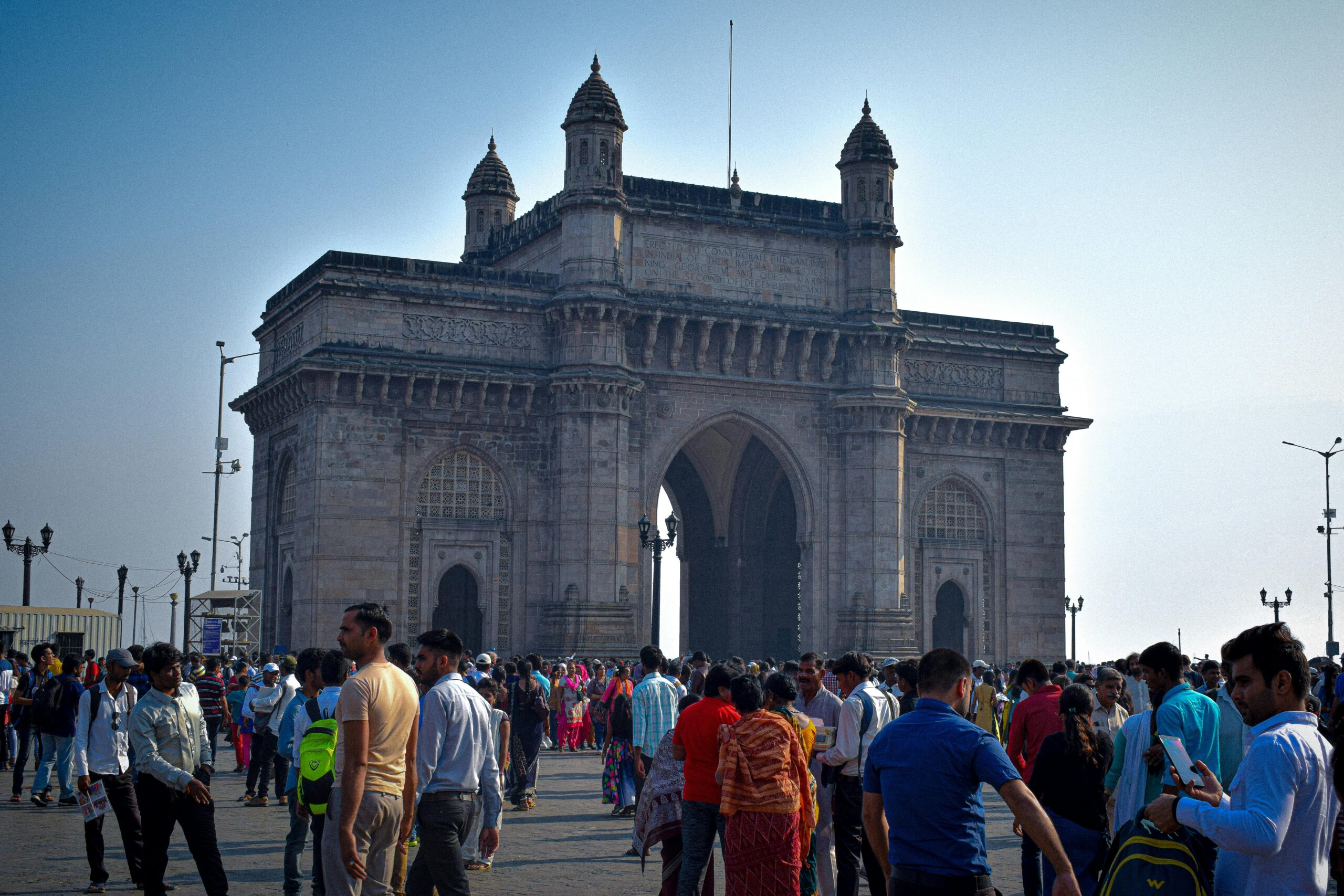
People on the Square near the Gateway of India
Colonial Influences and Independence Movement
Mumbai played a big part in India’s fight for freedom. It was a center for nationalist movements. Many leaders came and worked here.
British Architectural Legacy
The British left their mark on Mumbai’s buildings. The Gateway of India and Chhatrapati Shivaji Terminus show Victorian designs.
Mumbai's Role in India's Freedom Struggle
Mumbai was key in India’s fight for freedom. It hosted important events and figures. The city’s culture and politics helped the nationalist movement.
Mumbai’s history shows its strength and ability to change. From a fishing village to a financial center, it’s shaped by its past and role in India’s freedom.
Explore Mumbai's Vibrant History, Culture & Sights: A Complete Guide
When you arrive in Mumbai, you dive into a city full of life and culture. It’s a place where people from all backgrounds come together. This mix creates a vibrant cultural scene.
Understanding Mumbai's Cultural Melting Pot
Mumbai’s cultural mix is seen in its religious diversity and many festivals. The city buzzes with life during festivals like Ganesh Chaturthi, Navratri, and Diwali. These events show off the city’s rich cultural heritage.
Religious Diversity and Festivals
The city’s religious diversity is key to its culture. Places like the Haji Ali Dargah and the Mount Mary Church show Mumbai’s open spirit.
Art and Theater Scene
Mumbai’s art and theater scene adds to its cultural richness. The city has many art galleries, theaters, and cultural spots. These places support local talent.
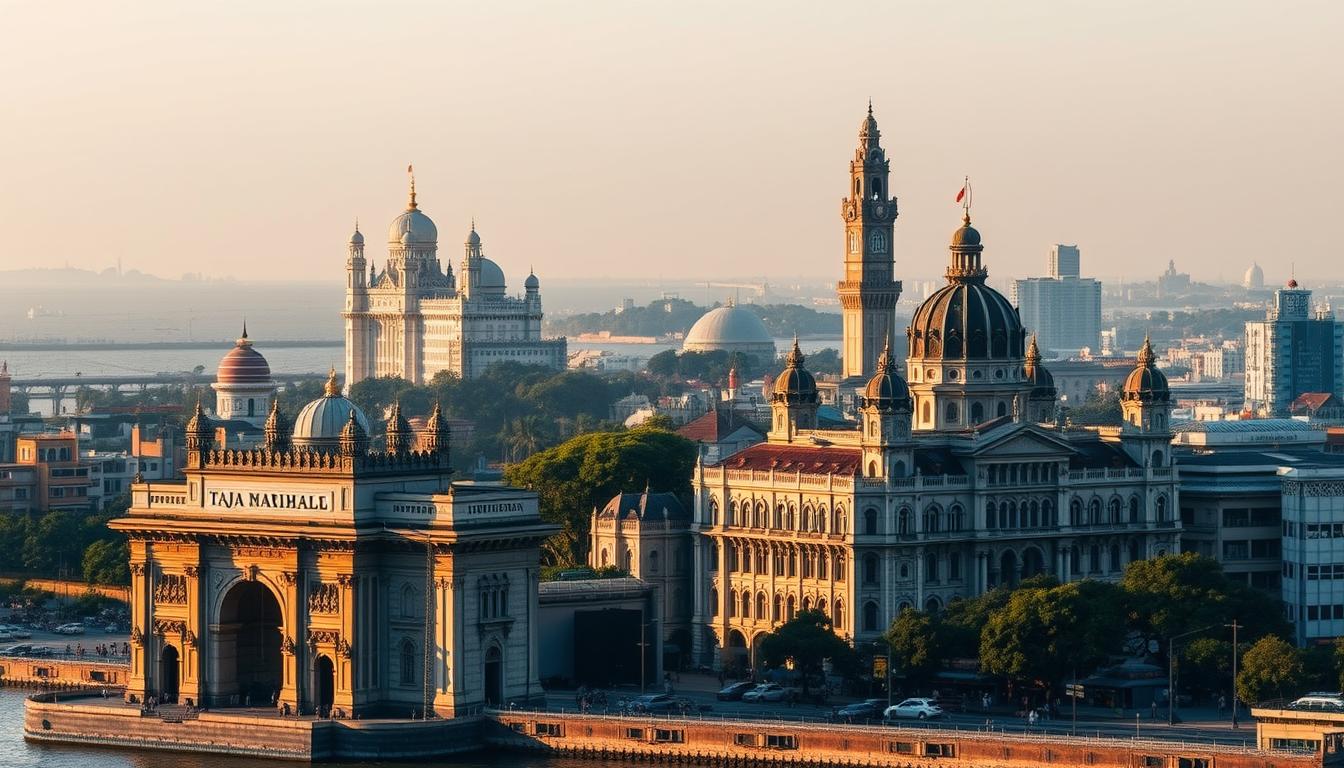
A cinematic cityscape of Mumbai’s iconic cultural landmarks, the majestic Gateway of India stands proud
The Unique Spirit of Mumbai's Residents
The famous “Mumbai spirit” describes the city’s residents’ resilience and warmth. Mumbaikars are known for their friendly nature.
The Famous "Mumbai Spirit"
This spirit is evident when the city comes together in times of adversity. It shows a strong sense of community and solidarity.
Local Customs and Etiquette
Knowing local customs and etiquette is key to enjoying Mumbai. Visitors should respect local traditions and practices.
Languages and Communication in Mumbai
As you explore Mumbai’s busy streets, you’ll see a mix of languages. This showcases the city’s rich cultural heritage. People from all over India and the world live here, making it a place where many languages are spoken.
What Languages Do People Speak in Mumbai?
In Mumbai, you’ll find many languages. Marathi is the official one, but Hindi, English, and other regional languages are also common.
Marathi as the Official Language
Marathi is very important in Mumbai. It’s used in official talks and government services.
Hindi, English, and Other Common Languages
Hindi and English are big in business, education, and tourism. English helps people from different places communicate.
Language Diversity in Different Neighborhoods
Neighborhoods in Mumbai have their own languages. For example, places with lots of Marathi speakers often use Marathi more.
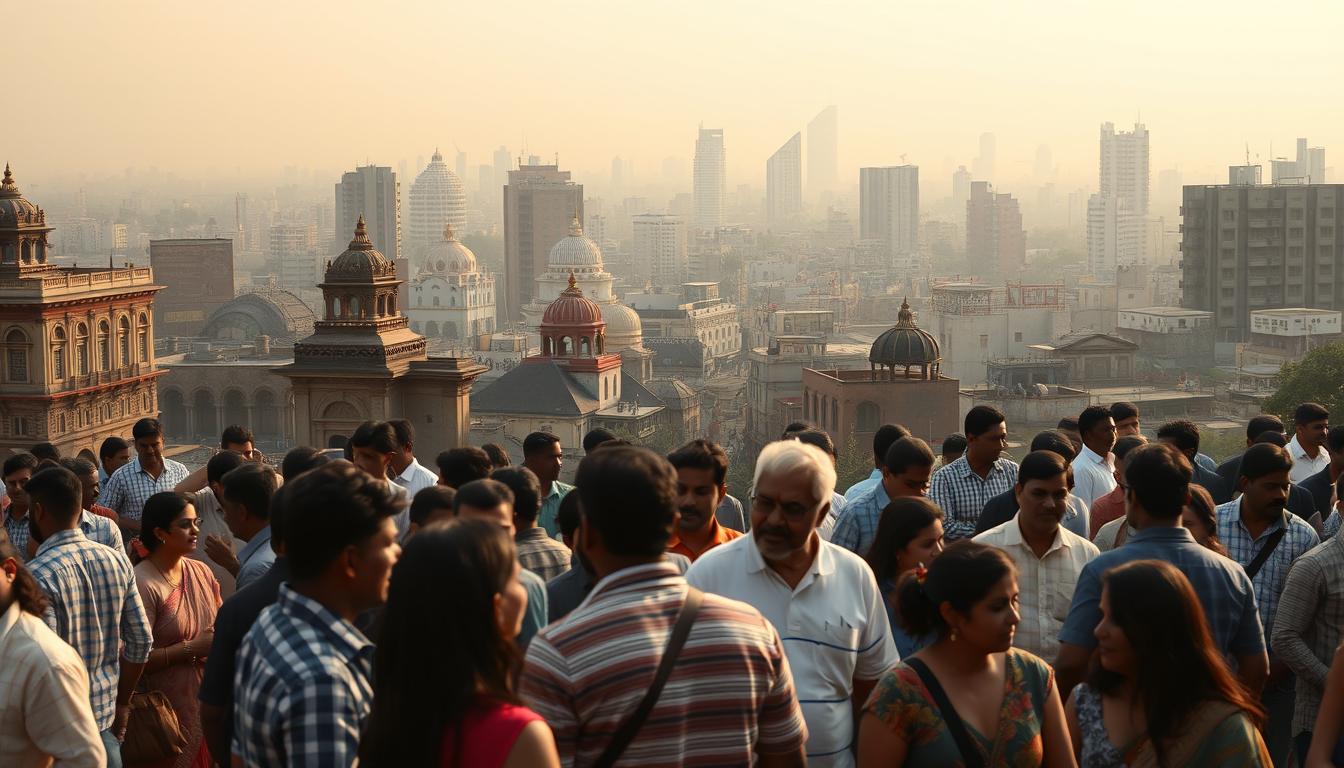
A bustling cityscape in Mumbai, India, captured through a cinematic lens.
Essential Hindi and Marathi Phrases for Travelers
Knowing some Hindi and Marathi phrases can make your trip better. Here are a few important ones to start with:
Greetings and Basic Conversation
Hindi: “Namaste” (नमस्ते) – Hello/Goodbye, “Dhanyavad” (धन्यवाद) – Thank you
Marathi: “Namaskar” (नमस्कार) – Hello/Goodbye, “Dhanyavad” (धन्यवाद) – Thank you
Transportation and Shopping Terms
Hindi: “Kitna hai?” (कितना है?) – How much is it?, “Idhar aao” (इधर आओ) – Come here
Marathi: “Kithe jayche?” (किती जायचे?) – How much is it?, “Yethe orya” (येथे उभ्या) – Stand here
Learning these phrases will help you move around Mumbai easily. You’ll also be able to talk to the locals more effectively.
Best Times to Visit Mumbai: Seasonal Guide
Planning a trip to Mumbai means knowing the city’s climate. This knowledge helps you make the most of your visit. Mumbai’s climate changes a lot throughout the year.
Mumbai's Climate Throughout the Year
Mumbai has a tropical wet and dry climate. It has four seasons. Knowing these seasons helps plan your trip better.
October to February: The Ideal Season
The best time to visit Mumbai is from October to February. The weather is nice, with temperatures between 20°C and 28°C. It’s perfect for exploring and outdoor fun.
March to May: Summer Heat
Summer in Mumbai starts in March and ends in May. Temperatures can hit 35°C, with high humidity. It’s good for water activities and beach visits, though.
June to September: Monsoon Season
The monsoon season in Mumbai brings lots of rain and humidity. The rain makes the city green, but it can also flood.
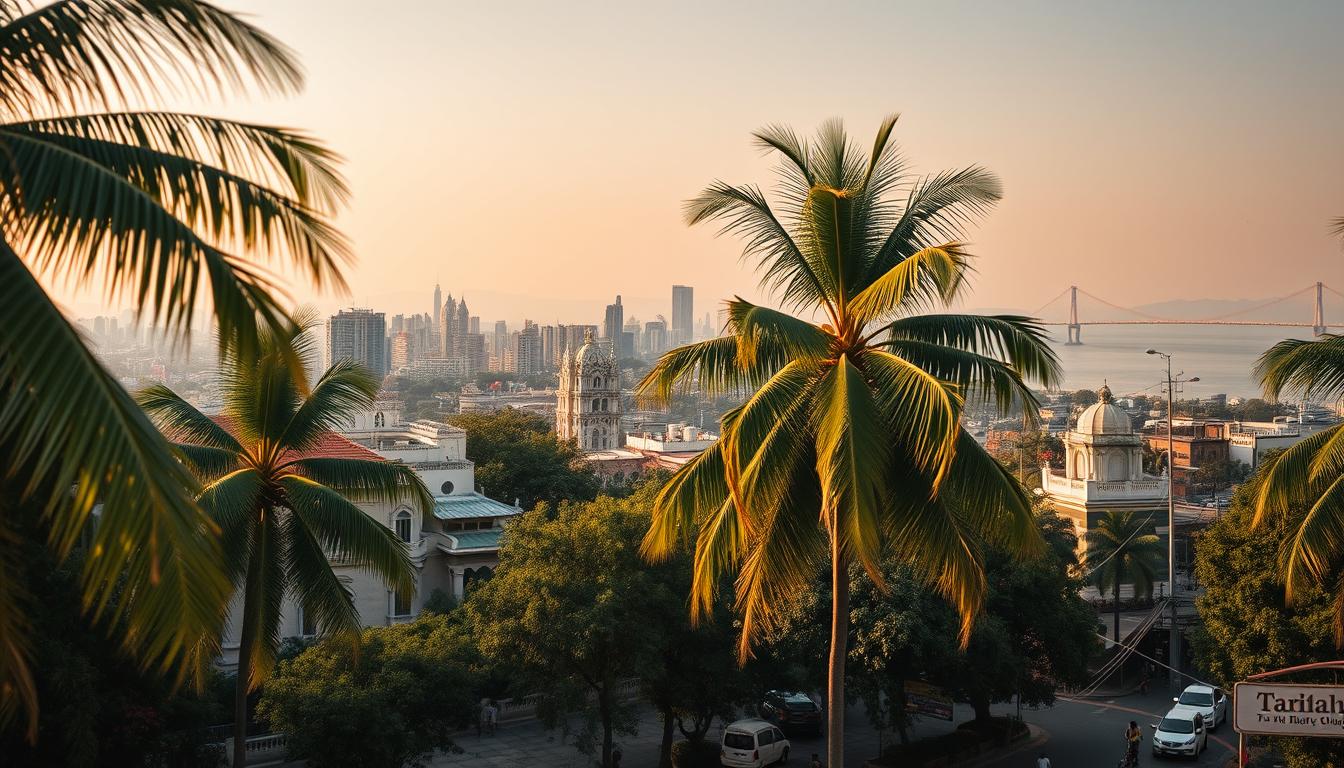
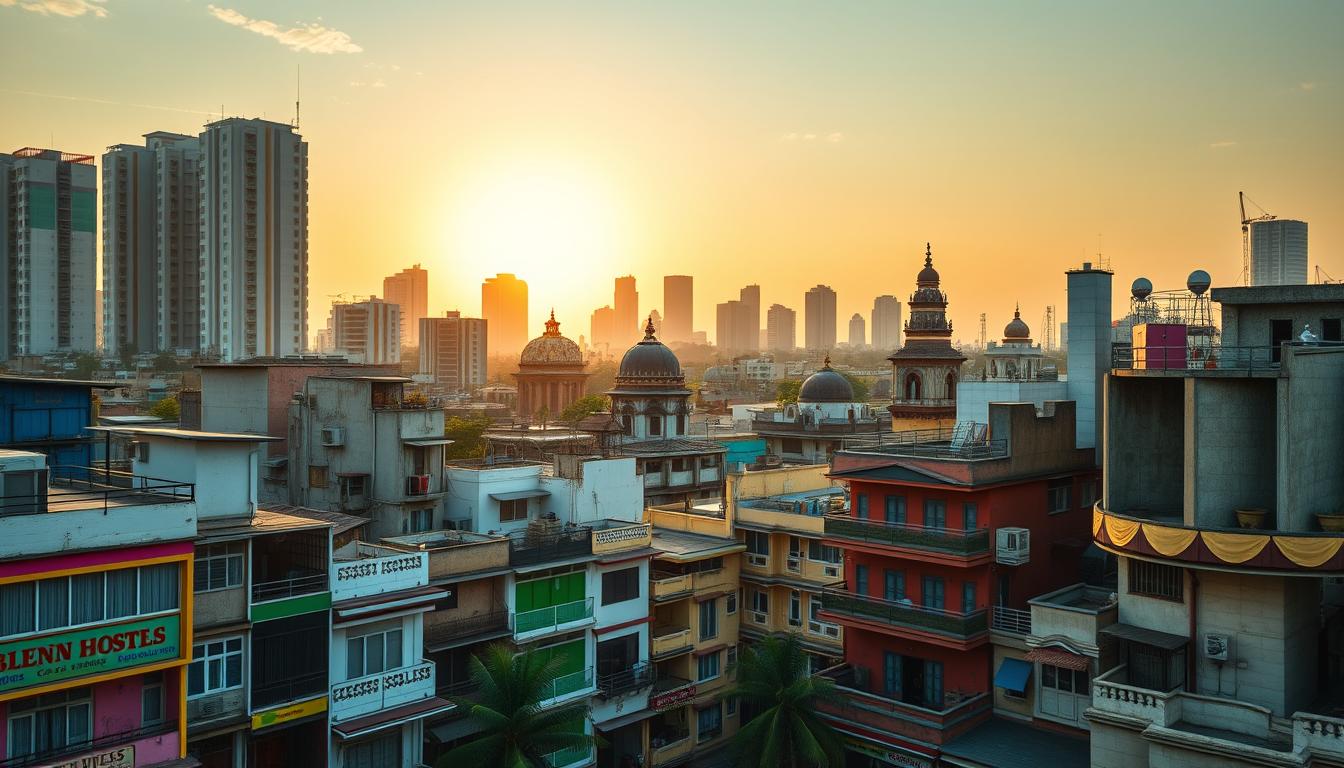
A cinematic, wide-angle view of the vibrant city of Mumbai, India
When Not to Visit Mumbai: Seasons to Avoid
While Mumbai is open all year, some seasons are better avoided. They have extreme weather.
Monsoon Challenges and Flooding
The monsoon season, from June to September, is tough. Heavy rain and flooding can mess up your plans and travel.
Peak Summer Discomfort
The peak summer months, April and May, are hot and humid. Stay hydrated and avoid being outside when it’s hottest.
In summary, the best time to visit Mumbai is from October to February. Be careful during the monsoon season and peak summer months.
Top 5 Must-Visit Places in Mumbai
Mumbai is full of amazing sights that show its rich history and culture. As you explore, you’ll see historical sites, cultural spots, and natural wonders. Here are the top 5 places to see in Mumbai.
Gateway of India and Taj Mahal Palace Hotel
The Gateway of India is a famous monument next to the Taj Mahal Palace Hotel. It shows Mumbai’s history and amazing architecture.
Historical Significance
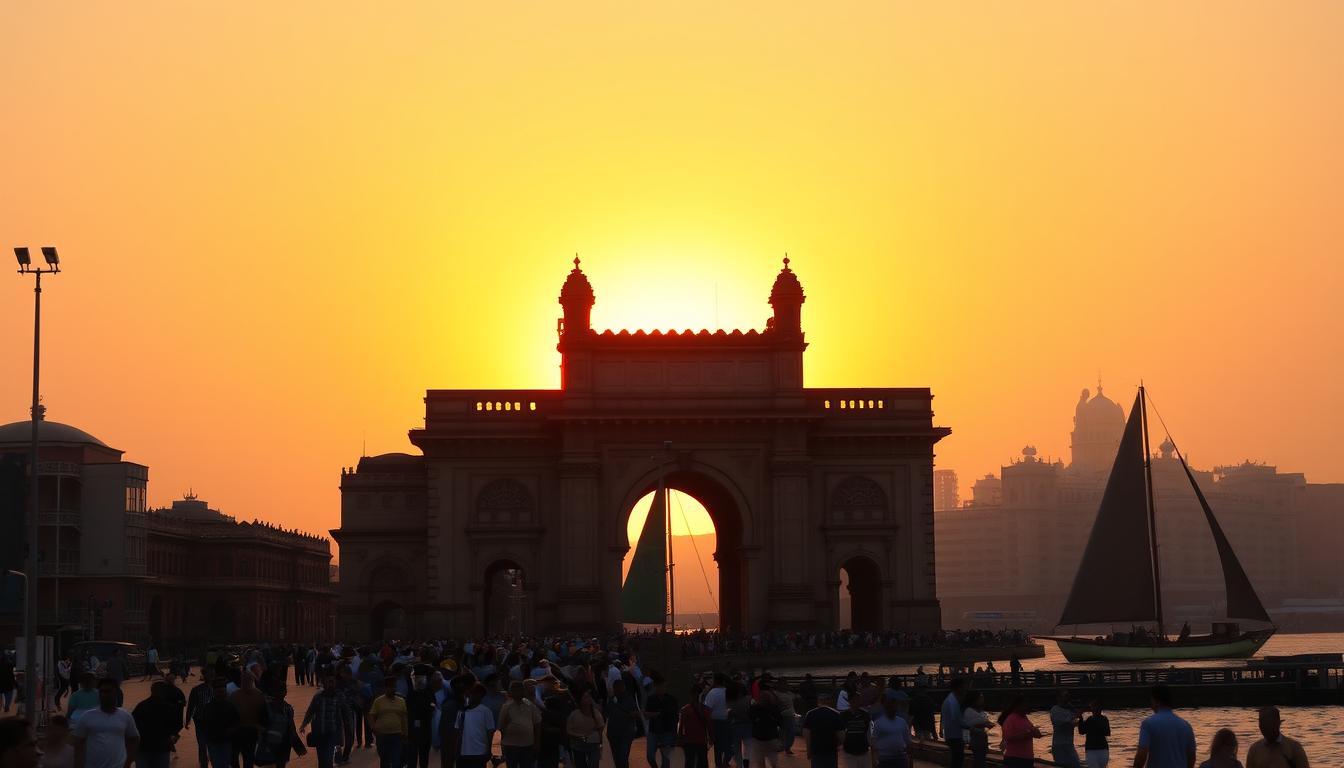
The Gateway of India was built for King George V and Queen Mary’s visit in 1911. It’s now a symbol of Mumbai.
Visitor Tips and Photography Spots
Walk around the monument and try the street food. The best photos are at dawn or dusk when the light is golden.
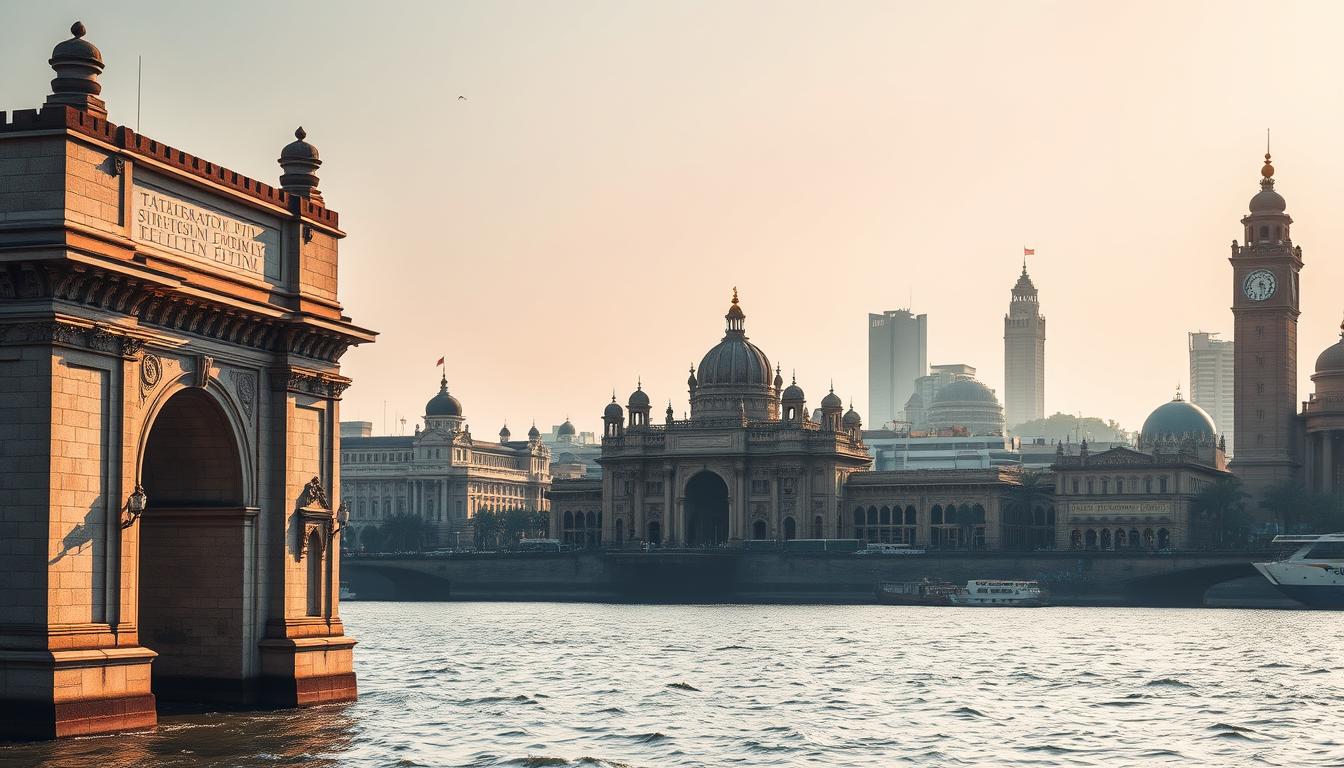
An ornate, grand archway standing tall against a vibrant, golden sky at sunset
Marine Drive and Chowpatty Beach
Marine Drive, or the “Queen’s Necklace,” is a beautiful promenade with views of the Arabian Sea. Chowpatty Beach is a favorite spot for both locals and tourists.
The Queen's Necklace at Night
At night, Marine Drive lights up like a necklace. It’s great for walks or romantic evenings.
Beach Activities and Street Food
Chowpatty Beach is lively with camel rides and street food. It’s a place to try local foods.
Elephanta Caves
The Elephanta Caves are on Elephanta Island. They are a UNESCO World Heritage Site with Hindu sculptures and architecture.
UNESCO Heritage and Hindu Sculptures
The caves have detailed carvings and sculptures of Lord Shiva. They show the area’s rich culture.
Ferry Journey and Visiting Tips
The trip to Elephanta Island is exciting. Take a ferry from the Gateway of India. Wear comfy shoes and stay hydrated.
Chhatrapati Shivaji Terminus (CST)
CST is a historic railway station and a major transportation center. It’s a stunning example of Victorian Gothic architecture in India.
Dharavi: Asia's Largest Slum and Its Entrepreneurial Spirit
Dharavi is famous for its entrepreneurial spirit. It has many small industries and businesses.
Hidden Gems: Beyond the Tourist Trail
As you explore Mumbai, you’ll find many hidden gems beyond the famous spots. These places offer a real look at the city’s true spirit. They are not as crowded as the popular areas.
Lesser-Known Historical Sites
Mumbai has many historical sites that tourists often miss. Two of these sites are:
Khotachiwadi Heritage Village
In the heart of Girgaum, Khotachiwadi Heritage Village shows off Mumbai’s old buildings. It has narrow streets, a cozy feel, and well-kept heritage homes.
Banganga Tank and Ancient Temples
In Walkeshwar, Banganga Tank is a historic water tank with old temples around it. It’s a peaceful spot in the busy city, showing Mumbai’s cultural past.
Local Favorites Off the Beaten Path
Mumbai also has many local spots worth seeing. These places show the city’s lively culture and way of life.
Dadar Flower Market at Dawn
The Dadar Flower Market is alive at dawn. It’s full of colors and smells. It’s great for photos, with lots of flowers for sale.
Chor Bazaar and Antique Hunting
Chor Bazaar is perfect for antique lovers. It’s a market full of old items, antiques, and unique finds. It’s a treasure hunt for collectors.
Visiting these hidden spots will help you understand Mumbai better. It makes your trip memorable and special.
Mumbai in a Day: The Perfect 24-Hour Itinerary
See the best of Mumbai in just 24 hours with a special plan. This city is full of life and offers many things to do in a day. You can visit historical sites, enjoy cultural experiences, and explore the lively nightlife.
Morning: Historical South Mumbai
Begin your day with a visit to the Gateway of India at sunrise. This spot is a key part of Mumbai’s history. The morning is quiet, making it perfect for admiring this big landmark.
Sunrise at Gateway of India
Seeing the sunrise at the Gateway of India is amazing. The sky changes colors, and the breeze is gentle. It’s a great start to your day.
Colonial Architecture Walking Tour
After the Gateway, go on a walk to see South Mumbai’s old buildings. This tour shows you the city’s past as a British colony. You’ll walk through historic streets and see old buildings.
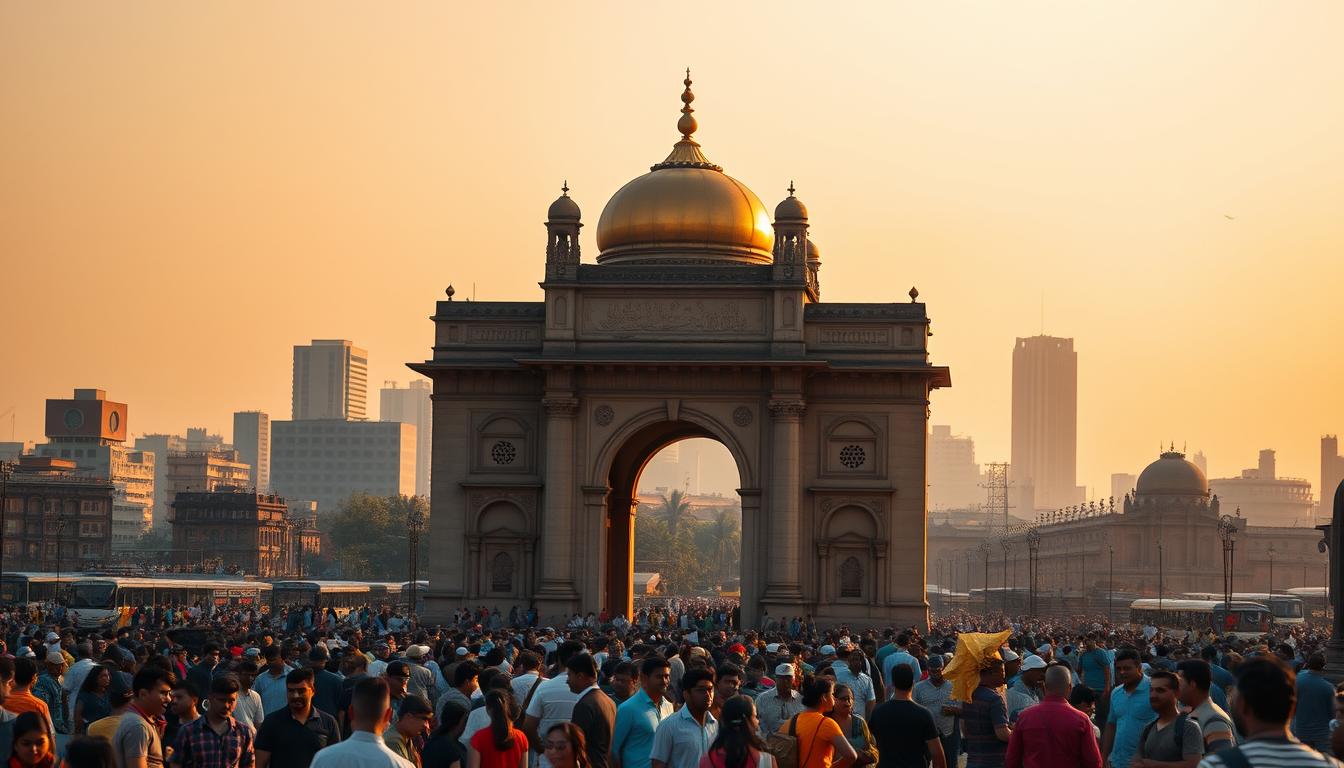
A majestic, golden-domed structure stands tall against the iconic Gateway of India, built to commemorate the visit of King George V and Queen Mary
Afternoon: Cultural Experiences
The afternoon is perfect for exploring Mumbai’s culture. Visit a museum to learn about the city’s history and art.
Museum Visits and Local Cuisine
Mumbai’s museums, like the Prince of Wales Museum, are great for learning about the city’s culture. Then, try the local food. It’s a mix of many flavors and dishes.
Shopping at Local Markets
Don’t miss shopping at places like Chor Bazaar or Linking Road. These markets have everything from old items to the latest fashion.
Evening: Mumbai's Vibrant Nightlife
As the day ends, check out Mumbai’s nightlife. Start with a sunset view at Marine Drive, known as the “Queen’s Necklace.”
Sunset at Marine Drive
The sunset at Marine Drive is beautiful. The sky turns orange and pink, and it reflects on the Arabian Sea.
Dining and Entertainment Options
After the sunset, look for places to eat and have fun. Mumbai has street food, fancy restaurants, live music, and dance clubs for everyone.
How Many Days Should You Spend in Mumbai?
The right time to visit Mumbai depends on what you like to do. Whether you’re after a quick weekend getaway or a longer week-long exploration, Mumbai has lots to see.
Ideal Trip Durations Based on Your Interests
For a quick trip, 2-3 days can show you the best spots. You can see the Gateway of India, Marine Drive, and Chhatrapati Shivaji Terminus. This is great for those short on time or focused on history or culture.
Short Visits: 2-3 Days Highlights
A short trip to Mumbai is rewarding. You can see famous sights, try street food, and dive into local culture.
Extended Stays: 5-7 Days Deep Dive
With more time, a 5-7 day stay lets you dive deeper. You can visit museums, go to Elephanta Caves, and enjoy the nightlife.
Sample Itineraries for Different Trip Lengths
Here are some plans for different trip lengths. Whether you’re a weekend warrior or have a week, you can make your trip fit your interests.
Weekend Warrior Plan
A weekend getaway in Mumbai is refreshing. You can see the main sights, try local food, and feel the city’s vibe.
Week-long Exploration
For a slower pace, try a week-long exploration of Mumbai. You can explore off the beaten path, find hidden spots, and really get to know the culture.
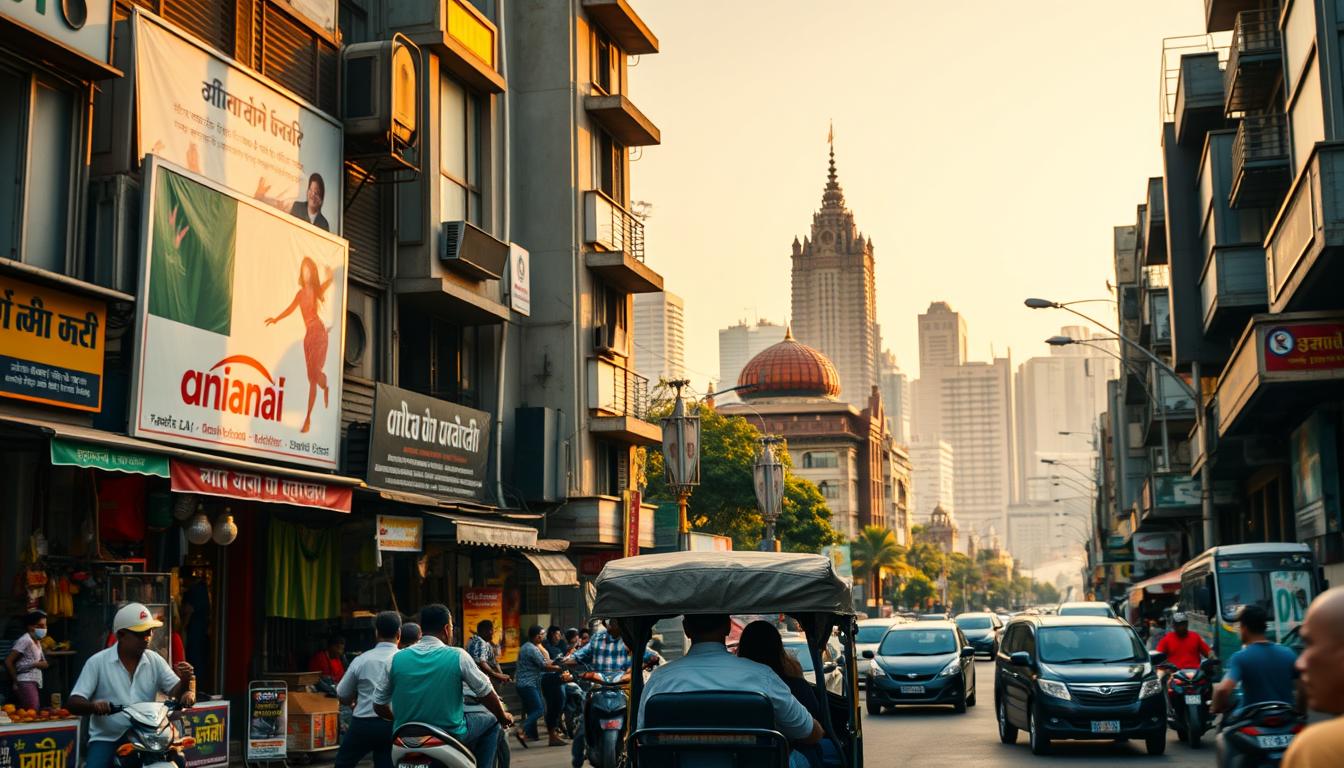
A bustling street in the heart of Mumbai, India, captured in a cinematic perspective
Budget Planning for Your Mumbai Trip
Before you start your Mumbai adventure, knowing the costs is key. Planning well ensures a fun and stress-free trip.
How Much Money Do You Need for a Mumbai Vacation?
The cost of a Mumbai trip depends on your travel style. Whether you’re on a tight budget, looking for a mid-range experience, or want luxury, knowing the costs helps plan better.
Budget Traveler Estimates
Mumbai can be affordable for budget travelers. Expect to spend ₹1,500 to ₹2,500 (about $18 to $30 USD) daily for accommodation, food, and transport.
Mid-range Travel Costs
Mid-range travelers should budget ₹3,500 to ₹5,500 (about $45 to $70 USD) daily. This covers more comfortable stays and dining.
Luxury Experience Pricing
For luxury, Mumbai offers top-notch hotels, fine dining, and exclusive activities. Daily costs can be ₹10,000 to ₹20,000 (about $130 to $260 USD) or more.
Cost Breakdown: Accommodation, Food, Transportation, and Activities
Knowing the cost breakdown helps manage your budget better.
Accommodation Options and Prices
Mumbai has many accommodation choices, from hostels to luxury hotels. Budget guesthouses cost ₹800 to ₹1,200 (about $10 to $15 USD) nightly. Mid-range hotels are ₹2,500 to ₹5,000 (about $30 to $65 USD) nightly.
Mumbai’s diverse accommodation options, captured in a cinematic wide-angle shot
Daily food costs in Mumbai range from ₹300 to ₹1,000 (about $4 to $13 USD) for street food and casual dining. Mid-range restaurants cost ₹500 to ₹1,500 (about $6 to $19 USD) per meal.
Transportation and Sightseeing Expenses
Local transport in Mumbai is cheap, with metro rides costing ₹10 to ₹60 (about $0.13 to $0.80 USD). Sightseeing costs vary, with some attractions free and others charging a fee.
Understanding these costs helps plan your Mumbai trip better and stay within your budget.
Navigating Mumbai: Transportation Guide
Knowing how to get around Mumbai is key to a great trip. The city has a wide range of transport options. This makes it easy to explore.
How to Travel Cheaply in Mumbai
Traveling on a budget in Mumbai is easy with the right tips. Here are some ways to save:
Local Trains: These are the cheapest way to get around.
Bus Routes and Passes: BEST buses cover a lot of ground at a low cost.
Shared Auto Rickshaws and Taxis: Sharing rides is a budget-friendly option.
Local Trains: The Lifeline of Mumbai
Mumbai’s local trains are essential. They carry millions every day.
Bus Routes and Passes
BEST buses are a good choice. They’re budget-friendly and quite comfortable.
Shared Auto Rickshaws and Taxis
For short trips, shared rides are cheap and convenient.
Understanding Mumbai's Local Trains, Buses, and Taxis
To get around Mumbai well, you need to know the transport options.
Train Etiquette and Rush Hour Tips: Know the busy times and follow train rules.
App-based Ride Services: Ola and Uber are great for convenience.
Airport Transfers: Use pre-paid taxis or apps for airport trips.
Train Etiquette and Rush Hour Tips
Be aware of busy times on trains. Always give up your seat when needed.
App-based Ride Services
Ola and Uber make traveling easy in Mumbai.
Airport Transfers
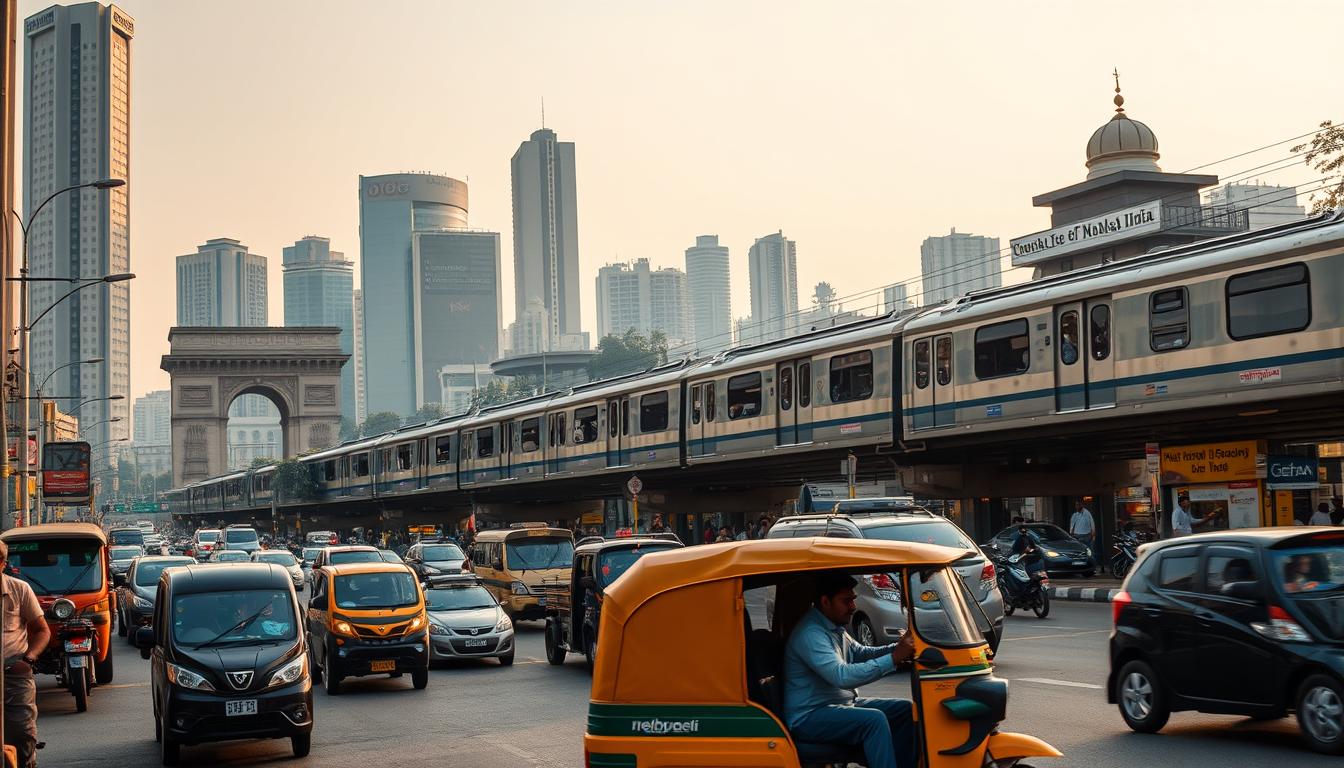
Mumbai’s vibrant transportation network, such as a vibrant auto-rickshaw, weaves through the congested streets
By using these transport options, you can easily explore Mumbai. Enjoy your trip!
Mumbai's Culinary Delights
Mumbai’s food scene is a vibrant mix of cultures. It offers a wide range of tasty dishes. This makes it a paradise for food lovers.
What is the Most Eaten Food in Mumbai?
In Mumbai, street food is a big hit. Vada Pav, Pav Bhaji, and seafood dishes are favorites.
Vada Pav: Mumbai's Favorite Snack
Vada Pav is a fried potato dumpling in a bread bun. It comes with spicy chutneys. Locals and tourists love it.
Pav Bhaji and Street Food Classics
Pav Bhaji is a spicy vegetable curry with soft buns. Other hits include Bhelpuri and Sevpuri.
Seafood Specialties
Mumbai’s seafood is fresh and varied. You can try Pomfret to Surmai at seafood restaurants.
Street Food Safety Tips for Travelers
When trying street food, stay safe. Here are some tips:
Select vendors with a high customer turnover rate.
Opt for freshly cooked food.
Avoid eating from unhygienic stalls.
Choosing the Right Vendors
When searching for vendors, make sure to choose ones that prioritize hygiene and maintain a tidy environment.
Popular Food Streets and Markets
Make sure to check out Crawford Market and Chowpatty Beach for some amazing food.
Hygiene Considerations
Make sure to check the cleanliness of the vendors. Steer clear of any spots that don’t look tidy.
Mumbai's Neighborhoods: Where to Stay
Mumbai has areas for every traveler, from luxury to budget-friendly. Knowing the differences helps you pick the right spot for your stay.
Where Do Millionaires Live in Mumbai?
Mumbai boasts some of India’s wealthiest neighborhoods. Malabar Hill and Cuffe Parade stand out for their luxury and sea views.
Malabar Hill and Cuffe Parade
Malabar Hill is known for its high-end homes and history. Cuffe Parade, on the other hand, is modern with great connectivity.
Bandra and Juhu
Bandra and Juhu are trendy, with beautiful beaches and lively nights. They have many luxury places to stay.
Which Part of Mumbai is the Cheapest?
Dadar and Central Mumbai are fantastic spots for those traveling on a budget. You’ll find plenty of affordable accommodations and convenient transport options to get around easily.
Dadar and Central Mumbai
Dadar buzzes with affordable hotels, making it a great spot to stay. Plus, Central Mumbai is just a stone’s throw away from all the attractions and transport options.
Suburban Options for Budget Travelers
Suburbs such as Andheri and Borivali offer affordable living options and are conveniently located close to business hubs.
Best Areas for Tourists to Stay
Finding the perfect spot in Mumbai can really change your experience. South Mumbai is a great choice if you want easy access to all the popular attractions.
South Mumbai Convenience
South Mumbai is just a stone’s throw away from iconic places like the Gateway of India and Marine Drive.
Western Suburbs Comfort
The Western Suburbs, such as Bandra and Juhu, offer a peaceful vibe. Plus, they have great connections to the city center.
Safety Tips for Travelers in Mumbai
When it comes to safety in Mumbai, it’s generally a secure place to visit. However, it’s wise for all travelers, especially women, to take some precautions. This way, you can ensure your trip is both safe and enjoyable.
Is Mumbai Safe for Female Travelers?
Mumbai, just like any major city, has its share of safety issues. However, with a few smart precautions, female travelers can truly enjoy their time here.
General Safety Overview
It’s really important to stay aware of your surroundings, especially in busy areas. Keeping your valuables secure and keeping an eye on your belongings can make a big difference.
Transportation Safety for Women
When you’re out and about, it’s a good idea to stick with licensed taxis or ride-sharing apps for a safer journey. And if you’re traveling at night, it’s best to avoid taking a cab alone.
Recommended Precautions and Resources
Make sure to have a personal safety app on hand and keep those important numbers easily accessible. Many hotels and hostels are great about sharing safety tips and resources to help you stay secure.
Areas to Avoid in Mumbai
Knowing which areas to avoid can improve your safety in Mumbai. Some places are best skipped, mainly at night.
Nighttime Considerations
When you’re out and about, steer clear of lonely areas and stick to well-lit streets. It’s a smart move to check in with your accommodation about safe spots to wander at night.
Crowded Areas and Scams to Watch For
When you’re in crowded places like markets and train stations, it’s important to stay vigilant. Scams and pickpocketing can occur, so keep your belongings close and be aware of your surroundings.
Shopping in Mumbai: What to Buy and Where
Mumbai’s shopping scene is truly a treasure trove of surprises. Whether you’re on the hunt for one-of-a-kind souvenirs or the hottest fashion trends, there’s something for everyone. From bustling traditional markets to sleek modern malls, you’ll discover a fantastic variety of products just waiting to be explored.
Traditional Markets and Modern Malls
Mumbai’s shopping landscape is a vibrant mix. You can explore local markets for genuine products or head to sleek modern malls for your favorite international brands.
Crawford Market and Colaba Causeway
Crawford Market is a charming historic spot where you can find fresh produce and a whole lot more. Over at Colaba Causeway, you’ll discover a treasure trove of affordable fashion and delicious street food.
High-end Shopping Destinations
For some luxury shopping, you should definitely check out High Street Phoenix and DLF Mall of India. They both feature a fantastic selection of high-end brands and some amazing dining options!
Unique Souvenirs and Local Specialties
Look for unique souvenirs like local handicrafts and spices. These make great gifts or memories of your trip.
Textiles and Handicrafts
Mumbai is well-known for its vibrant textiles and exquisite handicrafts. Here, you can discover beautiful Bandhani fabrics, intricately embroidered clothing, and stunning handmade jewelry.
Spices and Culinary Treasures
If you’re a foodie, Mumbai’s markets are a must-visit. You’ll get to sample local spices, aromatic teas, and a whole array of delicious culinary treats.
Shopping in Mumbai is a mix of old and new. It offers something for every shopper. Whether you’re looking for souvenirs or just want to shop, Mumbai has something special for you.
Conclusion: Embracing the Spirit of Mumbai
As you wrap up your journey in Mumbai, you can’t help but feel the unique spirit of the city. It’s a beautiful blend of resilience, warmth, and rich cultural diversity. Whether you’re into history or the arts, Mumbai truly has something to offer everyone.
You’ve seen the city’s rich past, walked its busy streets, and tried its tasty food. Thinking back, Mumbai’s spirit will stay with you. By diving into Mumbai’s culture, you become a part of its lively scene.
The memories of Mumbai will stay with you. From the Gateway of India to Marine Drive, and Dharavi’s spirit. Mumbai’s essence will inspire you to value diversity and warmth.
FAQ
Is Mumbai the richest city in India?
Absolutely, Mumbai stands out as one of the richest cities in India. It’s not just a city; it’s the financial hub, bustling with numerous corporate headquarters and financial institutions.
What is special in Mumbai to buy?
Mumbai has a wide range of shopping options. You can find unique souvenirs, local handicrafts, textiles, spices, and culinary treasures. From traditional markets like Crawford Market to modern malls, there’s something for everyone.
What is the hottest month in Mumbai?
May tends to be the hottest month in Mumbai, with temperatures often hitting their highest point during the summer season.
Is street food in Mumbai safe to eat?
Street food in Mumbai is absolutely delicious, but keeping safety in mind is crucial. Opt for vendors who have a steady stream of customers. Pay attention to hygiene practices to steer clear of any food-borne illnesses.
How many Muslims are there in Mumbai?
Mumbai is home to a significant Muslim community, with around 18-20% of its residents identifying as Muslim.

Nice insights